
Surgeon-Led Bone Biologics Education for Spinal Fusion
Key Takeaways
- Biologics Matter: Spinal implants rely on biological fusion for successful outcomes.
- Bone Graft Variability: Processing techniques create significant performance differences across commercially available grafts, especially DBMs.
- Peer-to-Peer Learning: Orthofix symposia connect data with intraoperative decision-making for spine surgeons, fellows, and residents.
Surgeon-led education and discussion bridge the gap between preclinical data, clinical data, and clinical application, providing trainees and practicing surgeons alike with the tools needed to evaluate bone grafts and make informed intraoperative decisions. As the bone biologics landscape continues to evolve, the need for meaningful, surgeon-led education has become increasingly important.
Beyond foundational concepts, surgeons are asking more targeted questions: how do differences in graft materials translate to fusion outcomes, where does variability exist, and how should these factors influence intraoperative decision making?
“I think we all have to remember that spinal fusion is, after all, a biologic procedure. While surgeons are highly experienced and knowledgeable regarding hardware science and technology, we have to recognize that even the finest implants will fail if the biology isn’t right.
I commend Orthofix for their commitment to educating surgeons on the latest developments in the science of biologics to promote spinal fusion.”
– Dr. Harvinder Sandhu
The most effective education does not stop at presenting data, it creates space for open dialogue, where surgeons can challenge assumptions, compare approaches, and connect scientific evidence to real-world application.
This spring, Orthofix partnered with surgeon leaders across the United States in Cleveland, Miami, New York, Los Angeles, and Seattle to deliver a series of educational symposia focused on bone grafting solutions.
These events explored mechanisms of action, advantages, limitations, and appropriate use cases, underpinned by real-world surgical cases demonstrating how bone graft materials can be applied.
With different surgeon leaders hosting each event, the symposia took on distinct themes that shaped the conversation in each city.
Fundamentals of Bone Healing
Cleveland Symposium
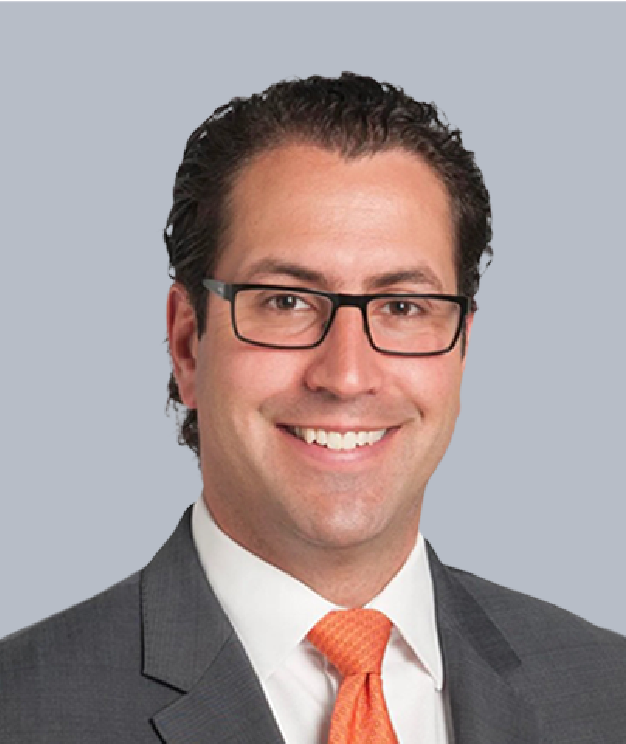
In Cleveland, Dr. Jason Savage focused on the fundamentals of bone healing, emphasizing the biological principles that drive successful bone grafting.
Discussion around the muscle pouch model highlighted how preclinical data can inform evaluation of synthetic bone graft materials and overall bone graft performance.
Dr. Savage also introduced the “three Os” of bone healing1 as “ingredients in a cocktail,” osteogenesis, osteoinduction, and osteoconduction, all being important to the final product.
Clinical takeaway: A strong understanding of underlying biology remains critical when assessing graft options.
Real-World DBM Evaluation & Case Studies
Miami Symposium
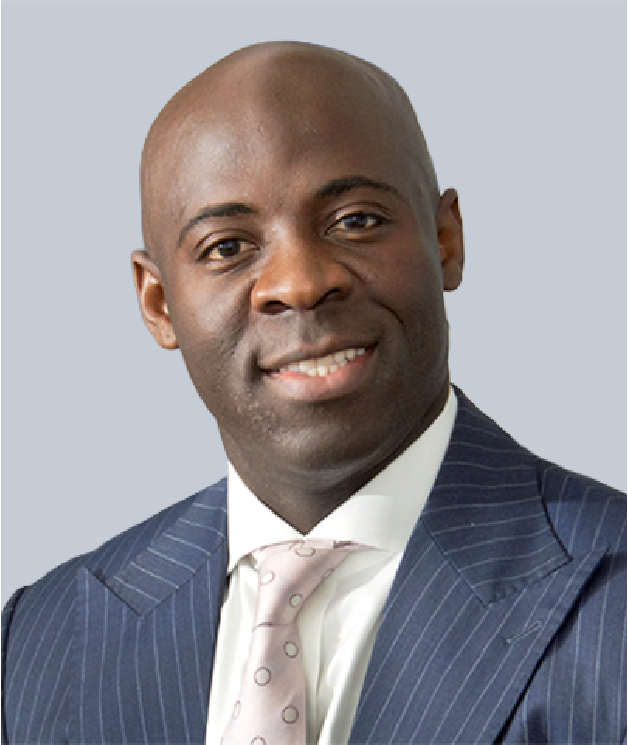
In Miami, the conversation with Dr. Emmanuel Menga zeroed in on case-based discussion to explore real-world bone grafting decisions.
A key data highlight was the discussion of “In-vivo performance of seven commercially available Demineralized Bone Matrix Fiber and Putty Products in a Rat Posterolateral Fusion Model” by Russel et al, which underscores variability across commercially available demineralized bone matrix (DBM) products, showing the importance of processing techniques on DBM quality.2
Clinical takeaway: Not all DBMs are equivalent, processing matters. Understanding the why and how your biologic functions impacts clinical decision making.
Evolution of Bone Graft Materials
New York Symposium
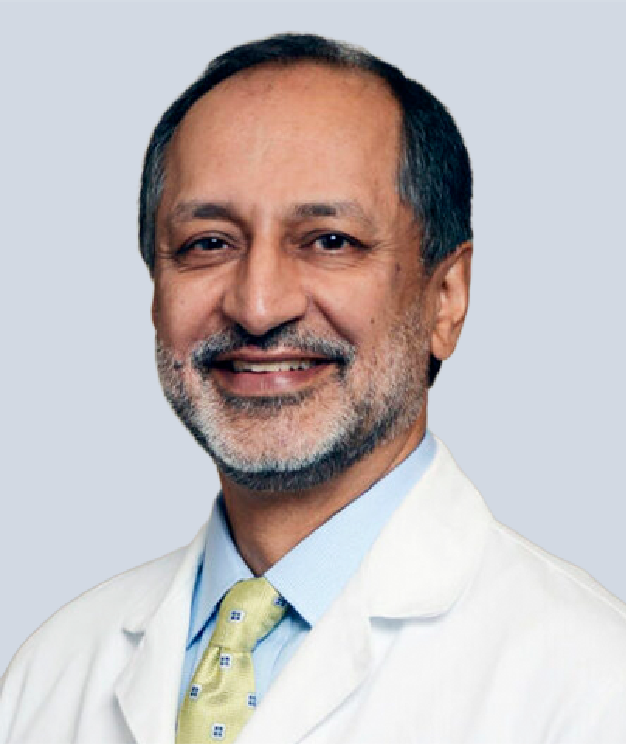
In New York, Dr. Harvinder Sandhu focused on the evolution of bone graft materials, with particular emphasis on high-quality demineralized bone matrix and allograft bone graft options.
The discussion highlighted how advancements in processing have improved consistency and performance in the bone grafting space.
Clinical takeaway: Product quality is not interchangeable. Knowing the source and processing is essential to informed selection.
Comparing Available Data Across Bone Graft Categories
Los Angeles Symposium
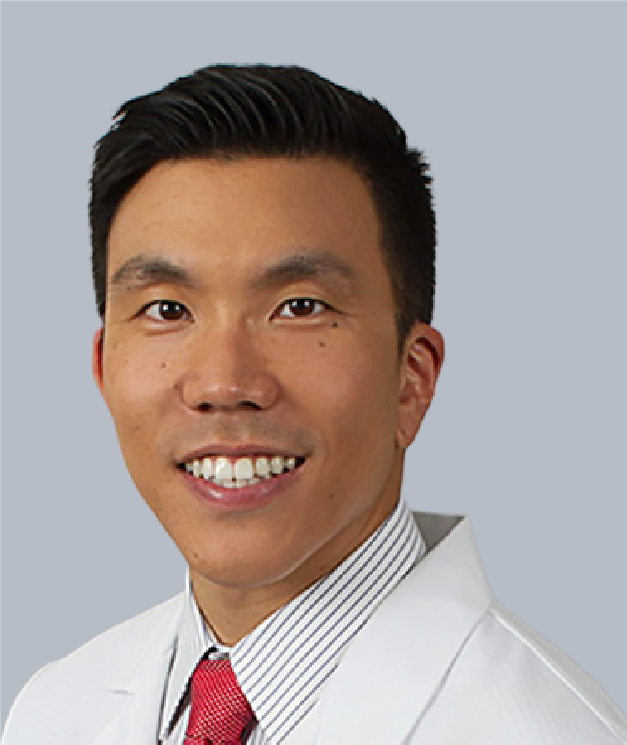
In Los Angeles, Dr. Raymond Hah led an analytical discussion comparing bone grafting categories, including autograft bone graft, allograft, DBM, synthetic graft materials, and concentrated growth factor biologics.
Rather than simplifying the decision, discussion focused on tradeoffs, biologic activity, risk profiles, and evidence supporting each category.
Clinical takeaway: Bone graft selection should reflect the clinical scenario and patient factors.
Challenging Bone Graft Assumptions
Seattle Symposium
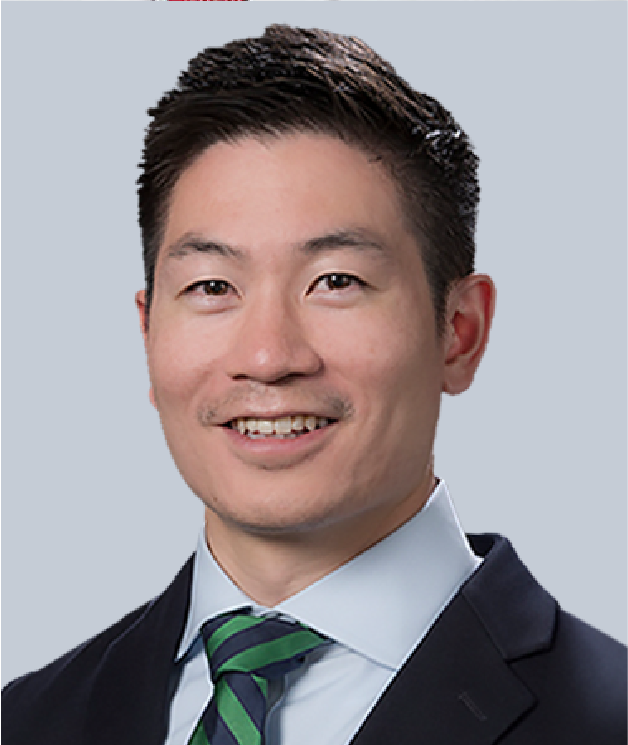
In Seattle, Dr. Philip Louie led a highly interactive, myth-busting discussion that challenged common assumptions about bone grafts in spinal fusion.
Topics included whether bone grafts are necessary within advanced 3D printed cages and whether all DBMs perform the same.
Clinical takeaway: Re-examining entrenched assumptions can lead to more deliberate and individualized use of biologics.
Conclusion
Surgeon-led dialogue continues to be one of the most effective ways to advance biologics education.
These discussions reflect the shift from theoretical understanding to practical application, where differences between grafts, not just categories, can drive decision making.
Orthofix is proud to support surgeon-led education that fosters collaboration, encourages critical thinking, and advances the conversation around bone grafting solutions and evidence-based evaluation of biologics in clinical practice.
Connect with Us
Interested in bringing this type of discussion to your region?
Schedule a biologics and bone grafting educational peer-to-peer program in your area and continue the conversation.
Explore Orthofix Biologics
Discover biologic solutions designed to support bone healing across a range of spine and orthopedic procedures.
References
- Whang, Peter G., and Jeffrey C. Wang. “Bone graft substitutes for spinal fusion.” The Spine Journal 3.2 (2003): 155-165.
- Russell, Nicholas, et al. “In-vivo performance of seven commercially available demineralized bone matrix fiber and putty products in a rat posterolateral fusion model.” Frontiers in surgery 7 (2020): 10.
The views and opinions expressed are solely those of the medical professional and does not necessarily reflect the views held by Orthofix Medical Inc., its Affiliates or employees.
All surgeons are paid consultants for Orthofix.