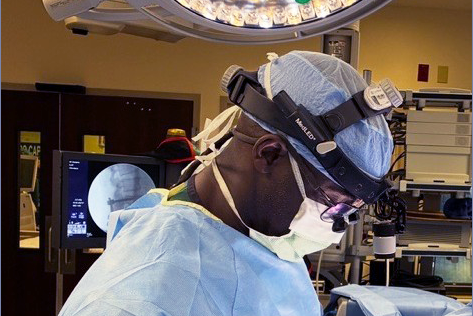
Why Biologics Education Matters in the OR: How Orthofix Reps Support Bone Grafting
Biologics education goes beyond learning product features. At Orthofix, this education helps representatives understand bone healing, ask better questions, and communicate evidence accurately, so they can more effectively support surgeons and healthcare teams in the OR during bone grafting procedures.
To explore how that process works, we spoke with three people who see biologics education from different perspectives: field representative Haleigh Blocker, medical education leader JJ Grandusky, and spine surgeon Dr. Emmanuel Menga.
Together, their insights illustrate a clear progression: education builds knowledge, knowledge builds confidence, and confidence builds trust.
Biologics Education in Action:
How Field Representatives Support Bone Grafting Procedures
For Haleigh Blocker, a biologics representative with BTS Distributing in Houston, TX, education is part of her daily work. Her role includes supporting spine cases, meeting with surgeons and hospital teams, and continuing to develop her own understanding of biologics.
Over the past two years, Haleigh has seen how increasing her understanding of biologics has helped her support a growing number of surgeons and specialties. She credits continuous learning as one of the biggest contributors to that growth. Even during busy days she makes time to revisit familiar concepts or learn something new.
“Always take something to increase your knowledge daily. So, when you get asked a question, you keep your mind fresh on it.”
That preparation matters because questions in the field extend beyond basic product information. Surgeons and staff often want to understand the differences between cellular allografts, synthetics, and DBMs, as well as how those products affect workflow, cost, and patient outcomes in bone grafting.
To prepare for these conversations, Haleigh pays close attention to each surgeon’s procedures, workflow, product preferences, and upcoming cases. That understanding helps her anticipate needs and provide value to the operating room.
Her goal is to contribute more than product availability.
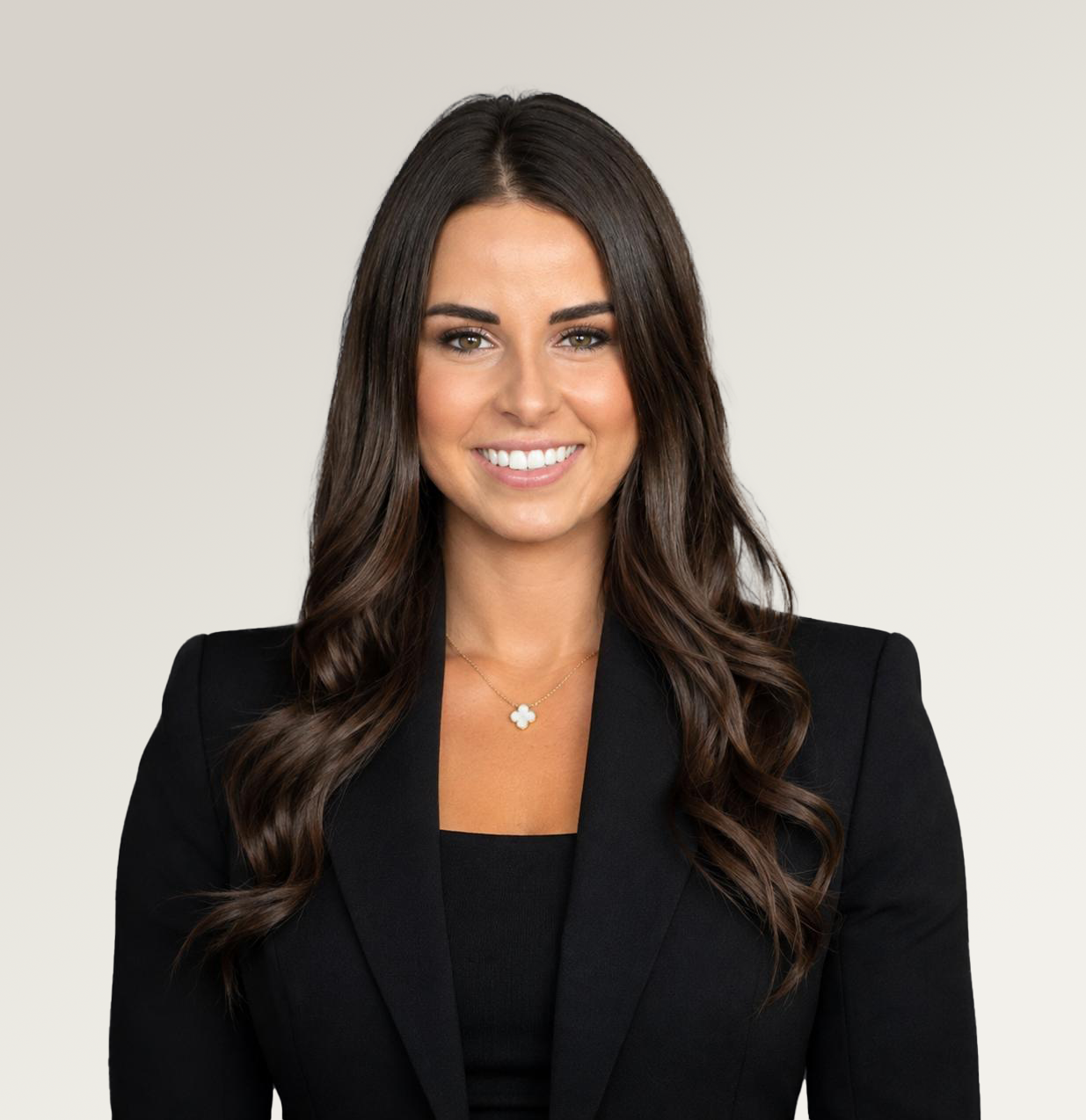
Biologics is not just opening a box and leaving, right? How can I be an asset in the room?
Being an effective rep can mean helping ensure the requested graft is available, supporting the scrub technician, being prepared for intraoperative questions, or thinking a step ahead to facilitate a smooth case. Over time, that consistency helps build trust with surgeons and staff.
At the same time, confidence does not mean having an answer for everything.
“Know what you know and know what you don’t know.”
When questions arise that require deeper expertise, Haleigh relies on the many scientific, clinical, and educational resources available within Orthofix, helping ensure surgeons receive accurate, well-supported answers.
For new representatives entering biologics, her advice is simple: stay curious and keep learning.
“If you put the time in to really study it and learn, then things will come along and you’ll feel more and more confident talking about it.”
Mastering Bone Graft Fundamentals:
A Medical Educator’s Approach to Biologics Training
While Haleigh described what training looks like in the field, JJ Grandusky explained how that confidence is built.
JJ’s perspective is shaped by a career that includes time as a scrub technician, sales representative, and educator. Early in his sales career, he attended a biologics training that still influences how he thinks about grafts and bone healing today.
“The core principles don’t change.”
For JJ, effective education starts with fundamentals.
Those principles include understanding bone healing, bone biology, the three “O’s” (osteoconduction, osteoinductivity, and osteogenicity), and how patients respond after receiving a graft. Once representatives understand that foundation, they are better equipped to evaluate evolving technologies and assess the science behind them.
Rather than memorizing product features, JJ believes representatives should understand the “why” behind the technology.
When preparing for surgeon conversations, he encourages representatives to focus on understanding the clinical challenges surgeons are seeking to address.
That approach requires understanding the procedure, the surgeon’s goals, the patient population, and the outcome everyone is working toward.
Clinical evidence also plays an important role.
“You’ve got to know them; you’ve got to know the data.”
For JJ, studies should inform conversations, not replace them. Representatives should understand the evidence well enough to discuss it confidently while continuing to engage surgeons with thoughtful questions and meaningful follow-up.
He also believes that relationships alone are not enough to create exceptional representatives.
“A really great rep is regularly challenging their surgeons and helping them treat their patients in a new and different way time and time again.”
Developing that capability requires ongoing learning and practice.
“I firmly believe this. Sales reps do not practice enough.”
JJ compared sales preparation to athletic training. Athletes spend the majority of their time practicing before they perform. Representatives, on the other hand, often spend most of their time performing and relatively little time rehearsing conversations, objections, or clinical discussions.
More opportunities to practice can help bridge that gap and improve confidence.
As he summarized:
Great reps are out there, and a lot of them are in the bodies of good reps right now. We can help them be great.

Building Trust in the OR:
A Surgeon’s Expectations for Biologics and Bone Grafting
From the surgeon’s perspective, the value of training becomes apparent through a representative’s preparation, judgment, and honesty.
Dr. Emmanuel Menga does not expect representatives to be experts in every aspect of biologics. He does, however, expect them to understand the fundamentals of bone grafting.
“I think being realistic, I don’t think it should be that deep besides knowing the basics.”
Those basics include understanding bone healing, graft properties, contraindications, workflow considerations, and the evidence supporting a technology.
For Dr. Menga, biologics discussions should begin with a different question than most people expect.
“What are your goals for fusion?”
That question creates a meaningful conversation around the procedure itself, the size of the fusion environment, patient risk factors, and the biologic strategy needed to support successful healing.
He believes great representatives help facilitate those discussions by understanding both the science and the clinical context.
Dr. Menga noted that representatives should have literature available, understand basic biologic principles, and know enough about the procedure to contribute meaningfully to the discussion.
Just as importantly, they should know when to ask for help.
“Know as much as you can, but if you don’t know the answer to the question I’m asking you, tell me I don’t know.”
That honesty builds credibility.
“I appreciate that better than you just making up facts for me.”
He also emphasized that product popularity alone is not persuasive.
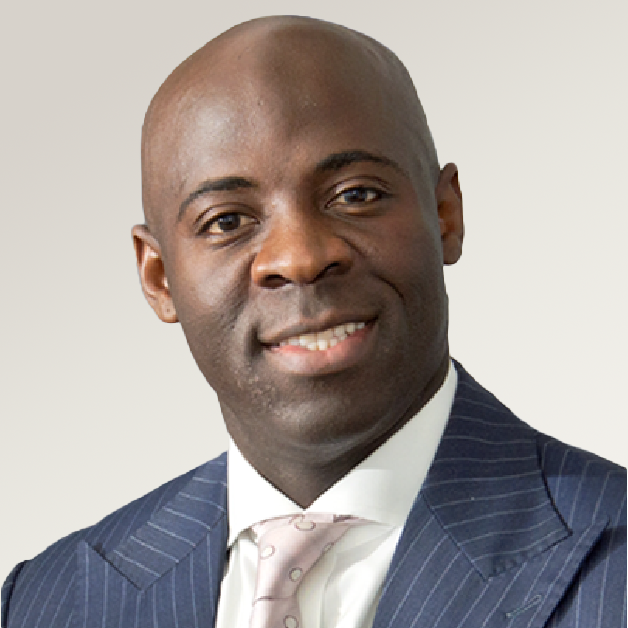
I don’t care about who used the product. I care about what the product does.
For Dr. Menga, exceptional representatives combine preparation, evidence, and integrity. They understand the surgeon’s goals, ask thoughtful questions, and provide meaningful information that helps improve clinical decision-making. These are the qualities Orthofix representatives strive to bring to every case.
The Impact of Biologics Education on Bone Grafting
Across all three perspectives, a consistent message emerged.
Education builds knowledge.
Knowledge builds confidence.
Confidence builds trust.
For Haleigh, education provides the foundation needed to support surgeons confidently in the field.
For JJ, education creates the competence that allows representatives to have meaningful, evidence-based conversations.
For Dr. Menga, that competence and confidence ultimately translate into trust.
Whether in the operating room, a training course, or a surgeon meeting, biologics education helps Orthofix representatives become more valuable resources for healthcare teams and better partners in supporting patient care.
Want to see how Orthofix Biologics representatives can support your surgical team?
Connect with a member of our team to learn more about our biologics portfolio and find the right solution for your fusion needs.
Dr. Menga is a paid consultant for Orthofix.